



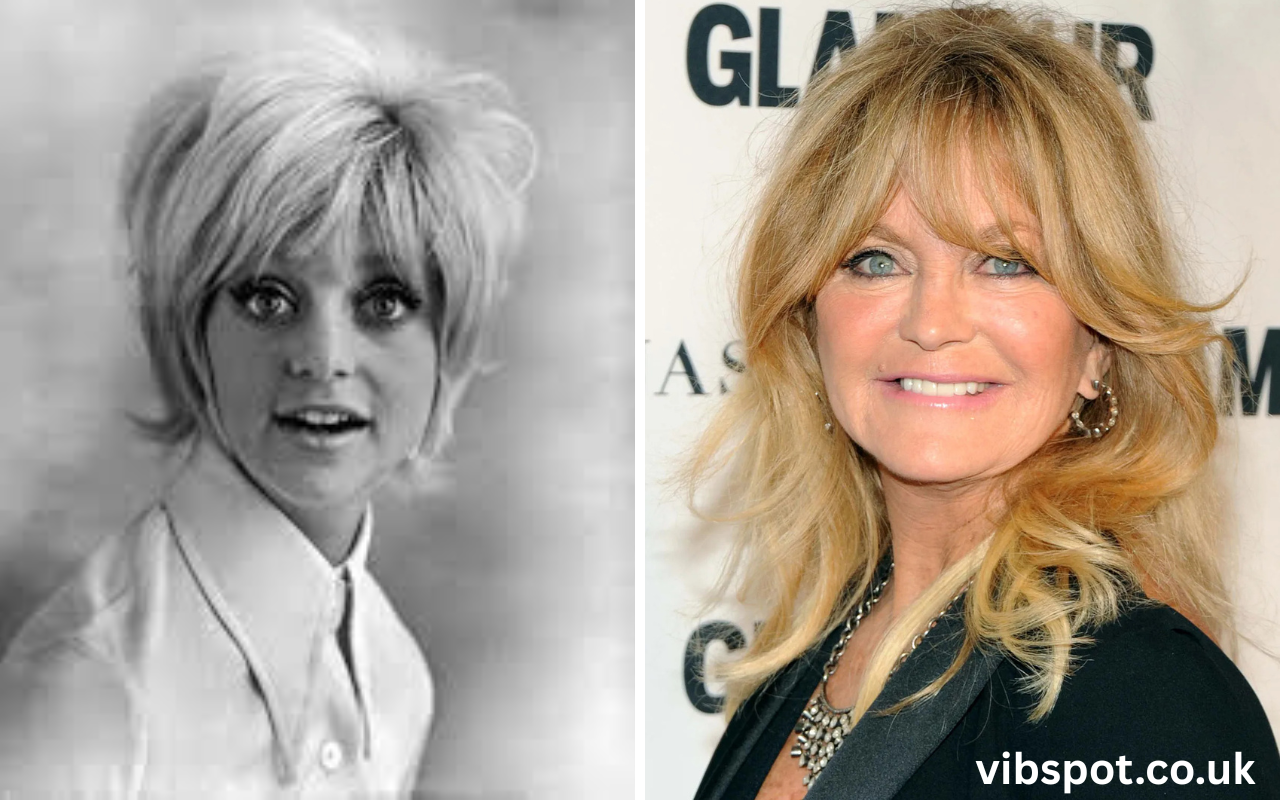
Goldie Hawn Movies: A Complete Journey Through Her Iconic Hollywood Film Career
Goldie Hawn remains one of the most influential actresses in Hollywood history, known for her expressive comedic style, warm screen presence, and ability to balance humor with emotional depth. Her film career spans more than five decades, making her one of the most recognizable names in American cinema. Goldie Hawn movies have shaped romantic comedy, satire, and female-led storytelling in ways that still influence modern filmmaking.
From her early breakthrough in the late 1960s to her resurgence in recent holiday films, her journey reflects both artistic evolution and cultural impact. Audiences continue to revisit her work because her performances feel timeless, relatable, and effortlessly engaging. The following sections explore her career in depth, highlighting how each era of Goldie Hawn movies contributed to her legendary status.
Early Career Breakthrough in Goldie Hawn Movies
Goldie Hawn first gained widespread attention with her breakout role in Cactus Flower (1969), a performance that earned her an Academy Award for Best Supporting Actress. This early success immediately positioned her as a rising star in Hollywood. Her comedic timing, expressive reactions, and natural charm made her stand out in an era dominated by traditional acting styles.
Following this breakthrough, she appeared in several early films that showcased her versatility beyond comedy. Movies like There’s a Girl in My Soup and Butterflies Are Free allowed her to explore romantic and emotional storytelling. These early Goldie Hawn movies demonstrated that she could move between humor and sincerity with ease.
By the mid-1970s, she was already recognized as more than just a supporting actress. Her early career laid the foundation for a long-lasting presence in Hollywood, setting the stage for leading roles that would define her legacy.
Rise to Stardom in 1970s Goldie Hawn Movies
The 1970s marked a major turning point in Goldie Hawn’s film career as she transitioned into leading roles. Films like Shampoo and Foul Play helped establish her as a major box office attraction. Her ability to combine mystery, romance, and comedy made her films highly appealing to wide audiences.
Foul Play in particular became one of her standout performances during this decade. The film blended suspense with comedic elements, allowing her to display both vulnerability and sharp comedic instincts. This balance became a defining trait in many Goldie Hawn movies that followed.
As her popularity grew, she became one of the most sought-after actresses in Hollywood. The 1970s cemented her reputation as a leading comedic actress who could carry major studio productions while maintaining a relatable and approachable screen persona.
Private Benjamin and the Defining 1980s Era
The 1980s brought one of the most iconic phases of Goldie Hawn’s career with the release of Private Benjamin (1980). The film became a massive success and earned her an Academy Award nomination for Best Actress. Her portrayal of a spoiled woman adjusting to military life became one of her most memorable performances.
This era also included films like Seems Like Old Times and Protocol, which reinforced her status as a top comedic star. These Goldie Hawn movies often focused on character-driven humor, allowing her to explore both satire and romantic storytelling in fresh ways.
By the mid-to-late 1980s, she had firmly established herself as a defining figure in Hollywood comedy. Her films during this period remain some of the most frequently referenced works in discussions of classic romantic comedy cinema.
Romantic Comedy Success with Overboard and Beyond
One of the most beloved Goldie Hawn movies of all time is Overboard (1987), a romantic comedy that has remained popular for decades. Her chemistry with Kurt Russell brought authenticity and charm to the film, making it a timeless favorite among audiences.
This film showcased her ability to blend humor with emotional storytelling in a domestic and romantic setting. The storyline, centered on identity and transformation, gave her the opportunity to explore both comedic frustration and heartfelt connection.
Following Overboard, she continued to appear in romantic comedies that highlighted her strengths in character-driven humor. These films helped solidify her legacy as one of the greatest romantic comedy actresses of her generation.
Dramatic Range and Experimental Goldie Hawn Movies
Although widely known for comedy, Goldie Hawn also explored more dramatic and experimental roles throughout her career. Films like Swing Shift allowed her to take on more emotionally complex characters, showing her depth beyond comedic performances.
In these roles, she often portrayed women dealing with personal struggles, relationships, and societal expectations. This shift demonstrated that Goldie Hawn movies were not limited to humor but also included meaningful dramatic storytelling.
Her willingness to experiment with different genres helped her avoid typecasting and kept her career dynamic. These performances added depth to her filmography and showcased her artistic range.
1990s Success and Cult Classics
The 1990s brought another strong phase in Goldie Hawn’s career with a mix of comedy and dark satire. Death Becomes Her (1992) became one of her most iconic films, blending fantasy, comedy, and dark humor in a unique way. Her performance in this film remains one of the most discussed roles in her career.
Another major success was The First Wives Club (1996), which became a cultural phenomenon. The film focused on friendship, empowerment, and revenge, resonating strongly with audiences worldwide. It remains one of the most influential female-led comedies in Hollywood history.
These Goldie Hawn movies from the 1990s reinforced her status as a leading actress capable of delivering both commercial success and critical acclaim. They also expanded her influence into ensemble storytelling.
Early 2000s and Gradual Step Back from Acting
In the early 2000s, Goldie Hawn gradually reduced her acting appearances, marking a shift in her career focus. Films like The Banger Sisters and Town & Country represented some of her final major roles during this period.
These movies reflected a more reflective phase in her career, focusing on friendship, aging, and personal growth. While they did not achieve the same level of box office success as her earlier work, they remain meaningful parts of her filmography.
This period also marked her transition away from constant acting, allowing her to focus on personal life and other creative and philanthropic interests.
Modern Comeback in Recent Goldie Hawn Movies
After more than a decade away from major film roles, Goldie Hawn made a successful comeback with Snatched (2017). This film introduced her to a new generation of viewers while maintaining her classic comedic style.
She later starred in The Christmas Chronicles and its sequel, where she played Mrs. Claus. These holiday-themed Goldie Hawn movies became especially popular among family audiences and streaming viewers.
Her return to film demonstrated that her appeal had not diminished over time. Instead, she successfully adapted to modern cinema while maintaining her signature warmth and humor.
Read More: Queen Mary of Denmark: Complete Biography, Royal Journey, and Modern Influence in European Monarchy
Legacy and Cultural Impact of Goldie Hawn Movies
Goldie Hawn’s film legacy extends far beyond individual performances. She helped redefine female roles in comedy by portraying strong, funny, and emotionally complex women at a time when such characters were less common in Hollywood.
Her influence can be seen in modern romantic comedies and ensemble female-led films. Many contemporary actresses cite her work as inspiration due to her ability to blend humor with emotional authenticity.
Today, Goldie Hawn movies continue to be celebrated for their timeless storytelling, cultural relevance, and enduring entertainment value. Her career remains a benchmark for success in Hollywood comedy and beyond.