





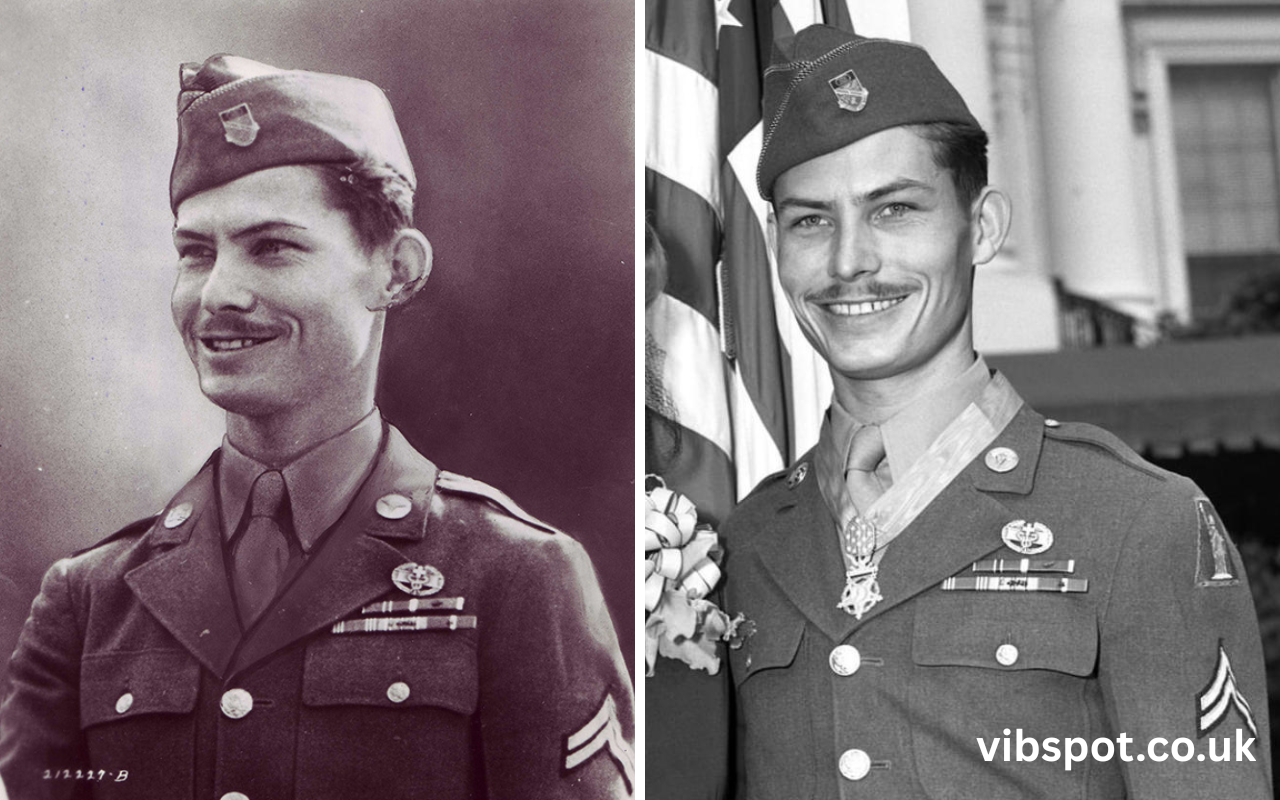
Desmond Doss Early Life – Childhood, Family Background, and Formative Years
Desmond Doss is remembered as one of the most extraordinary figures of World War II, a U.S. Army medic who refused to carry a weapon yet saved dozens of soldiers during the Battle of Okinawa. His early life is essential to understanding how he developed such strong beliefs in nonviolence and faith-driven courage. The topic “Desmond Doss early life” highlights his childhood experiences, religious upbringing, family environment, and early struggles that shaped his identity long before he became a war hero.
Born on February 7, 1919, in Lynchburg, Virginia, Desmond Thomas Doss grew up in a modest household during a difficult economic era in American history.
Quick Bio Table
| Category | Details |
|---|---|
| Full Name | Desmond Thomas Doss |
| Born | February 7, 1919 |
| Birthplace | Lynchburg, Virginia, USA |
| Parents | William Thomas Doss, Bertha Oliver Doss |
| Known For | WWII medic, Medal of Honor recipient |
| Religion | Seventh-day Adventist |
| Early Life Era | Great Depression period |
| Education | Park Avenue church school (up to 8th grade) |
| Childhood Traits | Faith-driven, disciplined, hardworking |
Family Background and Upbringing
Desmond Doss was born into a working-class family in Lynchburg, Virginia. His father, William Thomas Doss, worked as a carpenter, while his mother, Bertha Oliver Doss, worked in a shoe factory and was deeply religious.
His home life was strongly influenced by faith, discipline, and Bible teachings. His mother played a major role in shaping his spiritual beliefs, regularly teaching him religious values and encouraging strict adherence to the Ten Commandments.
One of the most influential aspects of his upbringing was his mother’s commitment to the Seventh-day Adventist Church, which emphasized nonviolence, Sabbath observance, and vegetarian lifestyle principles. This religious environment became the foundation of his lifelong beliefs.
Childhood Environment During the Great Depression
Doss grew up during the Great Depression, a time when many American families faced financial hardship. Like many children of that era, he experienced economic struggle and early responsibility.
He lived in the Fairview Heights area of Lynchburg, where he grew up with his siblings. To help support his family, he left formal education after eighth grade and began working at the Lynchburg Lumber Company.
This early exposure to hard labor taught him discipline, responsibility, and resilience. It also shaped his character as someone who valued service over comfort.
Religious Influence and Moral Foundation
Religion was the most defining factor in Desmond Doss’s early life. His mother regularly took the family to church, where he was taught the importance of faith, honesty, and compassion.
As a young boy, he became deeply influenced by the Ten Commandments, particularly the commandment “Thou shalt not kill.” This belief later became the foundation of his decision to refuse to carry a weapon in the military.
By the age of 21, he became a deacon in his church, showing how early his leadership and spiritual maturity developed.
His religious identity was not just a belief system but a guiding principle in everyday life, shaping his decisions long before he entered the army.
Early Work Experience and Responsibility
After leaving school, Doss began working to help support his family financially. He worked at a lumber company, doing physically demanding labor at a young age.
This early work experience helped him develop:
- Physical strength
- Discipline and routine
- Strong work ethic
- Sense of responsibility
These traits later became crucial during his military service, especially in high-pressure battlefield conditions where endurance and mental strength were essential.
Personality Traits in Youth
Even as a young man, Desmond Doss was known for being quiet, disciplined, and deeply moral. He was not aggressive or competitive in nature, but rather calm and thoughtful.
Some defining traits from his early life include:
- Strong sense of right and wrong
- Deep religious conviction
- Nonviolent mindset
- Compassion toward others
- Willingness to help in difficult situations
These personality traits made him different from many peers of his time, especially in a period where physical strength and aggression were often emphasized in society.
Influence of Family Conflicts and Moral Decision-Making
Historical accounts suggest that witnessing family struggles and violence in his environment strengthened his resolve against harming others. Stories from his life indicate that early exposure to conflict in his household reinforced his interpretation of biblical teachings.
Instead of developing anger or aggression, he turned more strongly toward his belief in peace and healing. This emotional and moral response played a key role in shaping his future identity as a conscientious objector.
Path Toward Military Decision
Even though his early life was rooted in pacifism, Doss still chose to serve his country when World War II began. He did not seek exemption from service, despite having the option due to his job at a shipyard.
Instead, he voluntarily enlisted in the U.S. Army in 1942, intending to serve as a medic rather than a combat soldier.
This decision was directly shaped by his upbringing—he believed he could save lives rather than take them.
Early Life Values That Shaped His Heroism
The foundation of Desmond Doss’s heroic actions in war can be traced directly to his early life values:
- Religious obedience: shaped by his mother
- Nonviolence: based on biblical teachings
- Service to others: learned through family and work
- Discipline: developed through hardship and labor
- Courage under belief: strengthened through conviction
These values were not developed during war—they were already deeply embedded in his personality before he ever entered military training.
READ MORE: Harlee McBride: The Untold Story of a Distinctive Hollywood Presence
Conclusion
Desmond Doss’s early life played a crucial role in shaping one of the most remarkable war heroes in American history. Raised in a humble, faith-centered household during the Great Depression, he developed strong moral beliefs rooted in religion, compassion, and discipline. His childhood experiences, family influence, early labor, and church teachings all contributed to the formation of a man who would later refuse to carry a weapon yet save countless lives on the battlefield.
His early life is not just a background story—it is the foundation of his extraordinary legacy.
This article is published for informational purposes on my blog site vibspot