




Does Elon Musk Have Autism Full Truth, Public Statements, and What We Know About His Neurodiversity
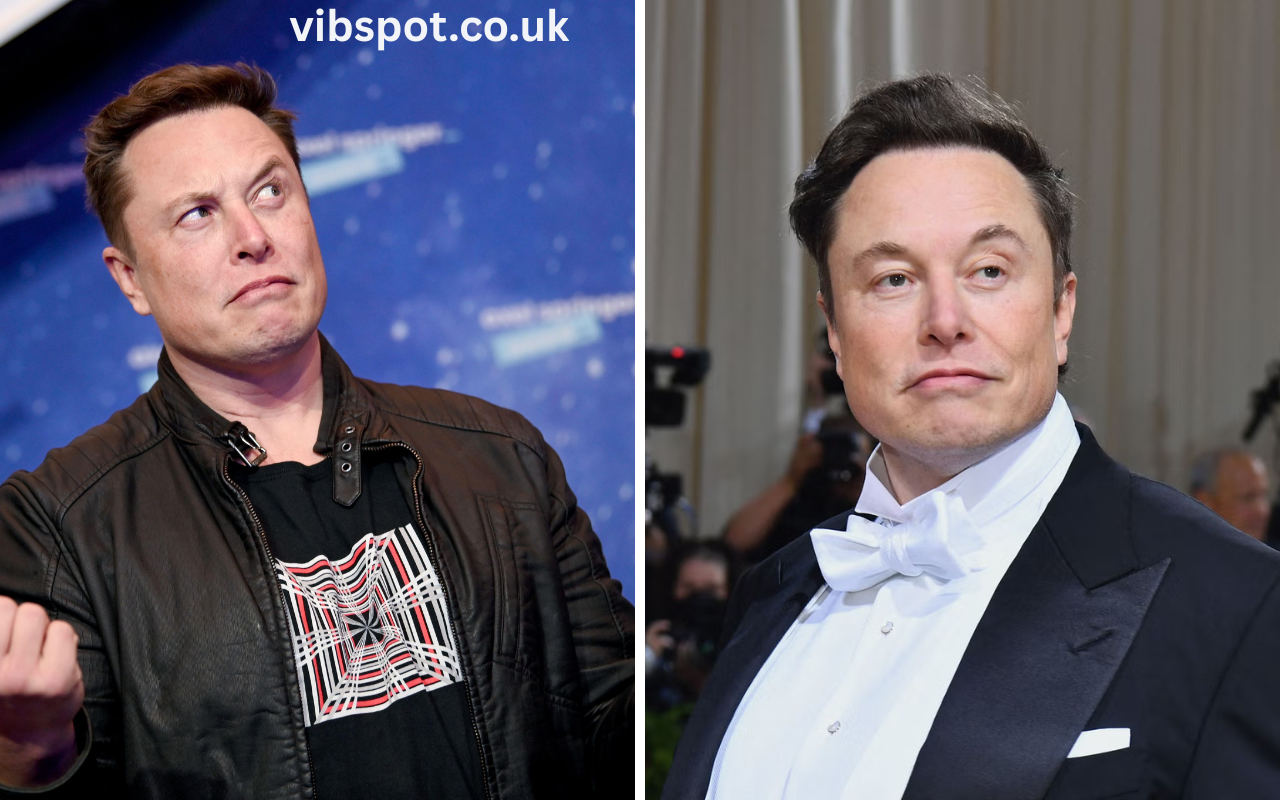
does elon musk have autism The question of whether Elon Musk has autism has become one of the most searched topics about the billionaire entrepreneur. As the CEO of Tesla and SpaceX, Elon Musk is widely known for his unconventional thinking, intense focus on technology, and direct communication style, which often leads people to speculate about his neurological profile.
Public curiosity increased significantly after Musk himself mentioned having Asperger’s syndrome in a public setting. This statement quickly spread across global media and social platforms, creating widespread discussion about autism spectrum traits in highly successful individuals. Many people now associate him with autism spectrum disorder based on this disclosure.
However, understanding this topic requires separating verified information from public interpretation. While Musk has spoken about Asperger’s, broader conclusions about diagnosis or medical confirmation require careful evaluation.
Elon Musk’s Public Statement About Asperger’s Syndrome
Elon Musk publicly stated that he has Asperger’s syndrome during a televised appearance, which immediately became global news. His comment was widely shared and interpreted as a major moment for autism awareness in public life.
Asperger’s syndrome is now considered part of autism spectrum disorder, meaning it falls under the broader category of autism in modern psychology. This classification helped frame Musk’s statement within discussions of neurodiversity rather than a separate condition.
However, the statement was personal and not presented as a formal medical report. No additional clinical documentation has been released, so the information remains based on self-disclosure rather than official diagnosis.
Understanding Asperger’s Syndrome and Autism Spectrum Disorder
Asperger’s syndrome was historically used to describe individuals with strong cognitive abilities but differences in social communication. These individuals often showed deep focus on specific interests and unique interaction styles.
In modern psychiatric practice, Asperger’s is no longer used as a separate diagnosis and is instead included under autism spectrum disorder. This reflects a broader understanding of autism as a spectrum with varying traits and levels of support needs.
This means Elon Musk’s reference to Asperger’s is generally understood today as relating to autism spectrum disorder. However, clinical diagnosis still requires professional assessment and cannot be confirmed solely through public statements.
Why People Associate Elon Musk with Autism Traits
Many discussions about Elon Musk and autism come from observations of his behavior in interviews and public appearances. He is often described as extremely logical, highly focused, and sometimes socially unconventional.
His communication style, intense concentration on engineering problems, and direct responses in interviews have led some people to associate him with traits commonly linked to autism spectrum conditions. These observations have fueled ongoing speculation online.
However, behavioral traits alone are not enough to determine autism. Many individuals share similar characteristics without being on the autism spectrum, and diagnosis requires a structured clinical evaluation rather than public observation.
The Question of Official Medical Diagnosis
There is currently no publicly available medical documentation confirming Elon Musk has been formally diagnosed with autism by a healthcare professional. This is an important distinction in understanding the topic accurately.
The only verified source of the claim is Musk’s own public statement. While self-identification is meaningful in discussions of neurodiversity, it does not replace a clinical diagnosis supported by medical assessment.
Because of this, discussions about his condition remain based on personal disclosure rather than confirmed medical records. Any further assumptions beyond this are speculative.
Media and Public Reaction to Autism Claims
After Musk mentioned Asperger’s syndrome publicly, media coverage quickly spread across the world. Many outlets highlighted the statement as a significant moment for autism visibility in high-profile leadership.
Some autism advocacy groups viewed the disclosure positively, seeing it as an opportunity to raise awareness about neurodiversity and reduce stigma around autism spectrum conditions. It also sparked discussions about representation in leadership roles.
At the same time, the statement also generated confusion and debate. Some audiences misinterpreted it as an official diagnosis, while others questioned its context, showing how easily information can be misunderstood in public discourse.
Autism and Neurodiversity in Technology Leadership
The discussion around Elon Musk and autism also connects to broader conversations about neurodiversity in the technology sector. Many individuals in engineering and science fields report traits that align with autism spectrum characteristics.
Musk’s achievements in areas like electric vehicles, space exploration, and artificial intelligence have led some commentators to explore whether different cognitive styles contribute to innovation. This has become part of wider discussions about diversity in thinking patterns.
However, it is important not to generalize. Autism is not a requirement for success in technology, and innovation comes from many different types of thinkers with varied neurological profiles.
Misconceptions and Online Misinformation
One major issue in discussions about Elon Musk and autism is misinformation. Some sources treat his statement as a confirmed medical diagnosis, while others dismiss it entirely or misinterpret its context.
Another common misconception is that autism can be identified by observing public behavior. In reality, autism diagnosis requires professional evaluation, developmental history, and clinical assessment, not media observation.
These misunderstandings contribute to confusion online, where facts, opinions, and speculation often mix together, making it difficult for audiences to separate accurate information from assumptions.
Conclusion on Whether Elon Musk Has Autism
Elon Musk has publicly stated that he has Asperger’s syndrome, which is now classified under autism spectrum disorder. This makes him one of the most well-known public figures to acknowledge being on the autism spectrum.
However, there is no publicly available official medical diagnosis confirming additional clinical details. The information we have is based primarily on his personal disclosure rather than verified medical documentation.
Overall, the topic reflects both public curiosity and the growing awareness of neurodiversity. It highlights the importance of understanding autism with accuracy, respect, and attention to verified information rather than assumptions.