



Is Elon Musk Autistic? A Complete, Fact-Based SEO Guide to His Public Statements and Autism Spectrum Discussion
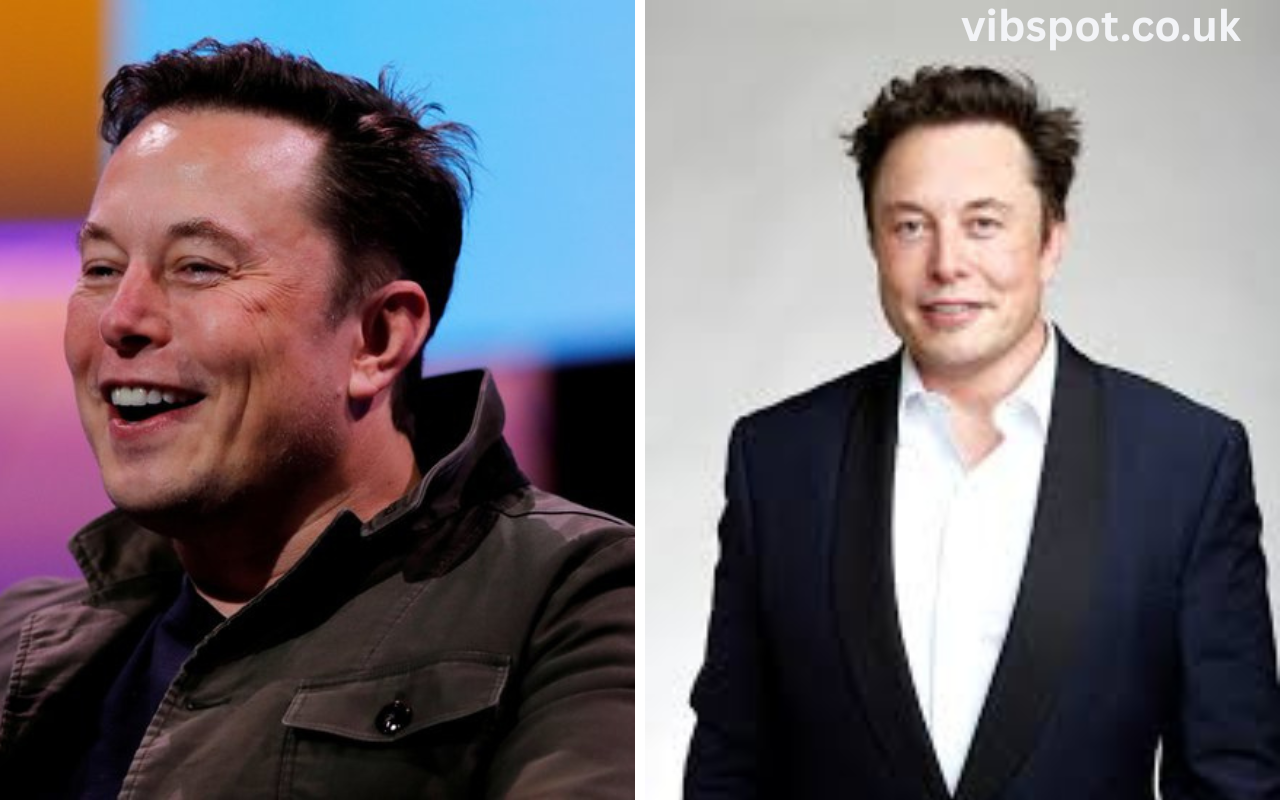
The question “is Elon Musk autistic?” has gained massive global attention due to statements made by Elon Musk himself in public appearances. His most widely cited disclosure came during a televised event where he mentioned being on the autism spectrum, which immediately sparked worldwide curiosity and discussion.
This statement was not accompanied by any publicly released medical documentation, but it was clearly presented as his personal identity. Because of his influence in technology, space exploration, and artificial intelligence, even a single personal remark quickly becomes a global headline.
Over time, this has led people to analyze his communication style, behavior in interviews, and leadership approach through the lens of autism spectrum traits. However, such interpretations remain speculative without clinical confirmation.
Elon Musk’s Statement About Asperger Syndrome
Elon Musk has publicly stated that he has Asperger syndrome, a condition previously recognized separately but now included under autism spectrum disorder. His disclosure brought major attention because few global business leaders openly discuss neurodevelopmental conditions.
The statement helped shift public conversation toward acceptance of neurodiversity. Many people began rethinking stereotypes about autism, especially the idea that it limits creativity, leadership, or innovation.
Today, Asperger syndrome is no longer a separate diagnosis in modern psychiatry. It is categorized under autism spectrum disorder, which includes a broad range of cognitive and behavioral profiles.
Understanding Autism Spectrum Disorder in Modern Psychiatry
Autism spectrum disorder is a neurodevelopmental condition that affects communication, behavior, and social interaction. The word “spectrum” is important because it reflects how differently autism can appear in each individual.
Some individuals require significant support in daily life, while others function independently and may excel in highly specialized fields. This diversity is why autism cannot be defined by a single set of traits.
Modern psychiatry focuses on behavioral assessment rather than public perception or success level. This means assumptions based on fame or achievement cannot be used to confirm or deny autism in any individual.
Clinical Diagnosis vs Self Identification in Public Figures
In discussions about autism and Elon Musk, it is essential to distinguish between clinical diagnosis and self-identification. A clinical diagnosis requires formal evaluation by qualified professionals using standardized medical criteria.
In Musk’s case, his public statement is considered a self-disclosure rather than a confirmed medical diagnosis released to the public. No official psychiatric evaluation has been independently verified or disclosed.
Public figures often choose to share personal information selectively, which means the public rarely has access to full medical context. Therefore, conclusions must remain cautious and evidence-based.
Media Coverage of Elon Musk and Autism Spectrum Discussion
When Elon Musk revealed his Asperger syndrome identity, global media outlets immediately highlighted the story. Many headlines framed it as a breakthrough moment for autism awareness.
Some media coverage emphasized positive interpretations, suggesting that his disclosure helped reduce stigma around neurodiversity. Others focused on clarifying that public statements should not replace medical confirmation.
This mixed coverage contributed to ongoing debate and misunderstanding. As a result, the topic continues to circulate widely in both news media and online discussions.
Neurodiversity and Innovation in the Tech Industry
The concept of neurodiversity has become increasingly relevant in discussions about technology leaders like Elon Musk. Neurodiversity recognizes that differences in brain function are natural variations rather than deficits.
In tech industries, individuals with highly focused thinking and strong analytical abilities are often highlighted in discussions about innovation. However, these traits are not exclusive to autism and cannot be used as diagnostic indicators.
Musk is often mentioned in neurodiversity conversations due to his work in electric vehicles, space technology, and artificial intelligence. Still, neurodiversity is a broad concept and should not be reduced to a single explanation for success.
Common Misconceptions About Autism and Intelligence
A frequent misconception is that autism is directly linked to exceptional intelligence or extraordinary success. In reality, autism spectrum disorder exists across a wide range of intellectual abilities.
Some individuals may have advanced skills in specific areas, while others may face significant developmental challenges. This variability makes generalizations about autism inaccurate and misleading.
In discussions about Elon Musk, it is important not to oversimplify his achievements as being caused by autism traits. Success is influenced by many personal, environmental, and professional factors.
Public Reaction and Cultural Impact of Musk’s Disclosure
Public reaction to the statement by Elon Musk was widespread and highly divided. Many people saw it as an important step toward normalizing conversations about autism in adulthood.
Others expressed concern that linking autism too closely with success could create unrealistic expectations or stereotypes. This highlights the complexity of discussing neurodevelopmental conditions in public discourse.
Regardless of differing opinions, the disclosure significantly increased global awareness of autism spectrum conditions and encouraged broader acceptance of neurodiversity.
Read More: ceara coveney movies and tv shows: Complete Career Guide, Roles, and Rising Stardom
Final Perspective on Elon Musk and Autism Question
When addressing the question “is Elon Musk autistic,” the most accurate conclusion is based on publicly available information. He has stated that he is on the autism spectrum, specifically referencing Asperger syndrome.
However, no independent clinical diagnosis has been publicly confirmed or released. Therefore, the discussion remains based on personal disclosure rather than verified medical documentation.
Ultimately, the topic is less about labeling one individual and more about understanding how autism and neurodiversity are perceived in modern society, especially when connected to influential public figures.