

Laura Owens Bachelor Case Explained: The Full Truth Behind the Viral Paternity Lawsuit
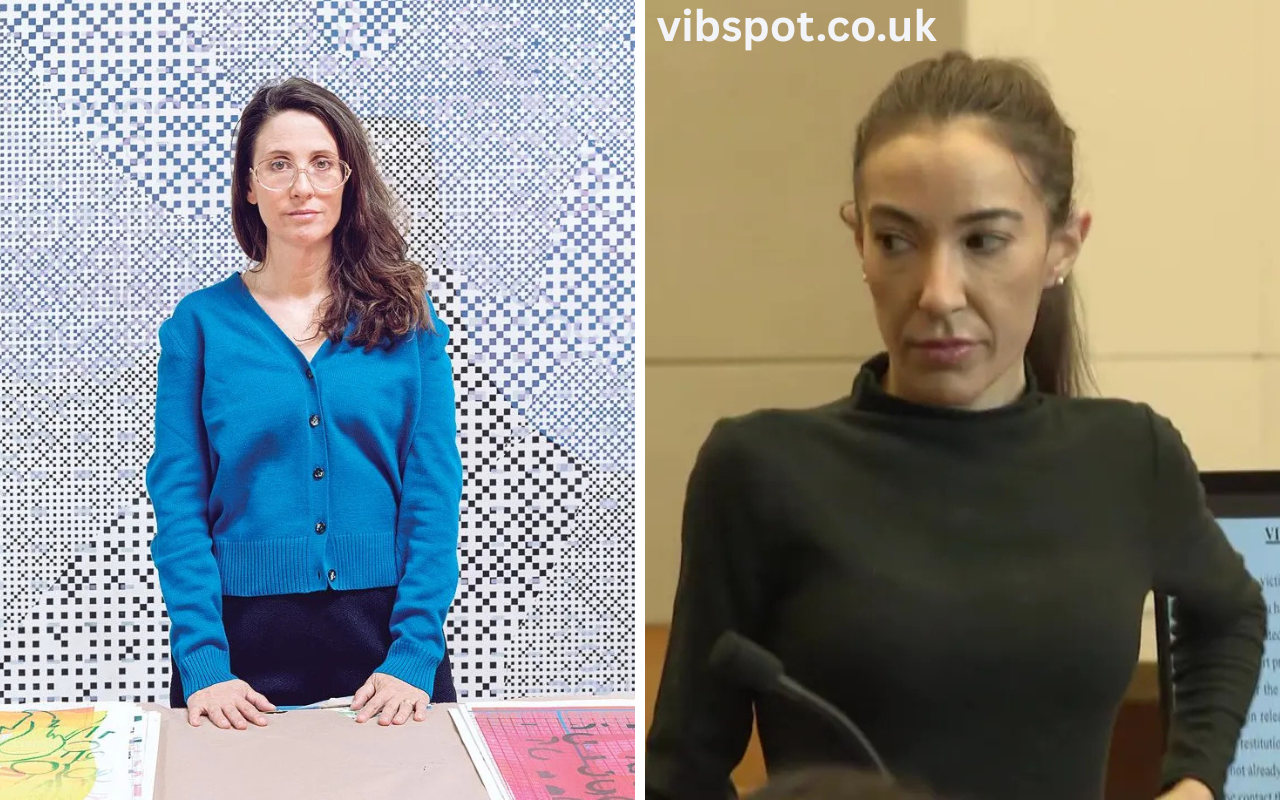
Laura Owens is an Arizona woman whose name became widely known after she became involved in a high-profile legal dispute connected to reality TV star Clayton Echard from The Bachelor. Before this case, she was not a public celebrity or media personality, but the lawsuit placed her at the center of national attention.
Her rise to public visibility was not due to entertainment or media work, but because of serious legal claims that quickly gained viral attention online. The story spread across social platforms and news outlets, making her name strongly associated with The Bachelor franchise in search trends.
Over time, the “Laura Owens Bachelor” keyword became popular as people searched for details about her background, the lawsuit, and the court outcome. This association continues even though she was never a contestant on the show.
How Laura Owens Became Linked to The Bachelor
The connection between Laura Owens and The Bachelor franchise comes entirely from her legal case involving Clayton Echard, who starred as the lead of Season 26. She filed a paternity lawsuit claiming that Echard was the father of her alleged unborn twins.
This claim immediately placed Echard, a well-known reality TV personality, into a legal battle that attracted widespread public attention. Because of his fame from The Bachelor, the media framed the situation as a “Bachelor paternity scandal,” even though the show itself was not involved in the case.
The controversy grew rapidly as both names began trending together online. Search engines and social media discussions linked Laura Owens directly to The Bachelor, creating a long-lasting association between her identity and the franchise.
The Paternity Allegations That Started the Case
The case began when Laura Owens claimed she was pregnant with twins and identified Clayton Echard as the father. She filed legal action seeking child support, which initiated formal court proceedings and brought the situation into public view.
Echard denied the allegations and stated that there had been no sexual intercourse, making paternity biologically impossible according to his testimony. This strong denial created immediate legal conflict and led to detailed examination of the evidence.
As the case progressed, questions arose regarding the validity of the pregnancy claims and supporting documents. The court began reviewing medical records and statements to determine whether the allegations were credible.
Court Proceedings and Evidence Examination
During the court process, both sides presented evidence to support their positions. Laura Owens provided documents and statements to support her claim, while Clayton Echard’s legal team challenged their authenticity and accuracy.
The court closely examined inconsistencies in the submitted materials, including questions about medical documentation and timelines. These issues became central to the judge’s evaluation of the case.
As scrutiny increased, the court ultimately found significant concerns with the evidence provided by Owens. This played a major role in the dismissal of the paternity claims.
Why the Case Was Dismissed by the Court
The lawsuit was eventually dismissed after the court determined that the evidence did not support the claims being made. Judges found that key elements of the case lacked credibility based on available records and testimony.
The dismissal marked a turning point in the legal battle, as it officially ended the paternity claims against Clayton Echard. This decision was widely reported in entertainment and legal news coverage.
Following the ruling, attention shifted from the paternity dispute itself to the broader legal implications, including whether false statements had been made during the process.
Criminal Investigation and Fraud Allegations
After the civil case ended, legal authorities began investigating the situation more deeply. This led to criminal charges being filed against Laura Owens, including allegations such as fraud, forgery, and perjury.
Prosecutors argued that some of the evidence presented in court may have been misleading or altered. These allegations escalated the case from a civil dispute into a criminal matter.
Owens has pleaded not guilty to the charges and continues to maintain her position. The legal process is ongoing, and the case remains under judicial review.
Media Coverage and Public Reaction to the Case
The Laura Owens Bachelor case gained massive media attention due to its unusual nature and connection to a reality TV star. News outlets, podcasts, and online commentary platforms extensively covered each development.
Public reaction was highly divided, with some focusing on the emotional impact on Clayton Echard and others discussing the legal complexities of the case. The story became a trending topic across entertainment news cycles.
As updates continued, the case remained a recurring subject in online discussions, especially in communities that follow The Bachelor franchise and celebrity legal news.
Impact on Clayton Echard and His Public Image
Clayton Echard, known for his role in The Bachelor, became the central figure defending against the allegations. The legal dispute placed him under intense public scrutiny during the height of the case.
After the court rulings supported his position, Echard publicly expressed relief and emphasized the emotional toll the situation had taken on him. His statements reflected the stress caused by prolonged legal proceedings.
The case has since become one of the most widely discussed controversies involving a former Bachelor lead, affecting how audiences view his time in the franchise.
Why the Laura Owens Bachelor Case Still Attracts Attention
Even after court rulings and ongoing legal developments, the Laura Owens Bachelor case continues to attract search interest. This is largely due to its combination of celebrity involvement, legal drama, and social media virality.
The case is frequently revisited in online discussions because new updates, hearings, or commentary often resurface in media coverage. This keeps public interest alive over time.
As the legal process continues, the story remains an example of how reality television figures can become involved in complex real-world legal disputes that extend far beyond entertainment.